
The blackout arrives as the government has encouraged citizens to be ready for a ‘disaster’ lasting up to five days
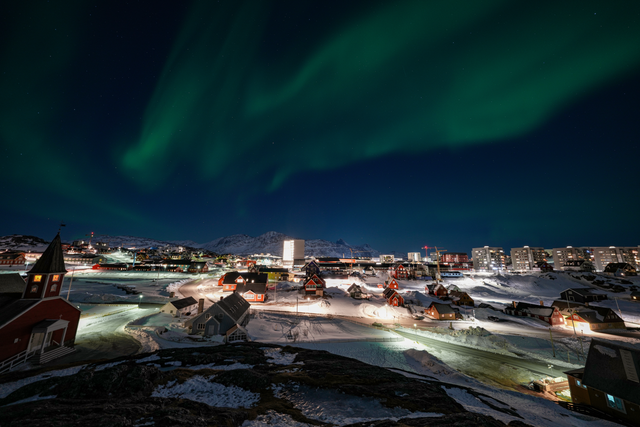
Al Jazeera reports that Greenland’s capital, Nuuk, has faced a widespread power outage after strong winds triggered a transmission problem at a state utility. This incident unfolds against a backdrop of intensifying strategic competition between the United States and other powers for Arctic influence, with tensions heightened by President Donald Trump’s ongoing interest in Greenland.
At 10:30 pm on Saturday (00:30 GMT, Sunday), social media users reported a sudden blackout, which the Greenlandic newspaper Sermitsiaq soon confirmed.
Transmission Failure at Buksefjord Plant
The state utility company posted on Facebook that gusty winds at the main Buksefjord hydroelectric power plant had caused “a line error on our transmission line.”
The outage affected water in several areas and disrupted internet service. By 3:30 am on Sunday (5:30 GMT), the utility said power was restored to 75 percent of Nuuk’s 20,000 residents.
Officials urged the public to be conservative in their electricity use while the system continued to reboot.
Government Guidance on Disaster Preparedness
The timing of the outage was particularly notable, coming on the heels of the government’s release of a disaster preparedness brochure. The guidance encouraged Greenlanders to store sufficient drinking water, food, medicine, and warm clothing to last at least five days.
While the government insisted the brochure was not a sign of crisis, Greenland—a semi-autonomous Danish territory—has been thrust into the global spotlight amid escalating threats from President Donald Trump to acquire the island, reflecting renewed US interest and strategic competition in the Arctic.
US-Greenland Relations and Sovereignty Concerns
President Trump appeared to partly back off during the World Economic Forum in Davos, Switzerland, claiming he had ruled out taking Greenland by force. Trump stated that he and NATO Secretary-General Mark Rutte had agreed on a “long-term” framework for a future deal involving Greenland and the Arctic region.
However, Greenlandic Prime Minister Jens-Frederik Nielsen remains skeptical. Nielsen noted that much of the supposed deal remains murky, particularly regarding reports that the U.S. might seek control of territory near its existing military bases.
“I don’t know what there is in the agreement, or the deal, about my country,” Nielsen said. “But sovereignty is a red line,” he added, reaffirming the island’s stance on its territorial integrity.