“We can’t even buy our own land ourselves, but Trump wants to buy it – that’s so strange to us. Since childhood, I have been used to the idea that you can only rent land. We have always been used to the idea that we collectively own our land,” said Kaaleeraq Ringsted, 74, in Kapisillit.
For the Inuit people, who have lived on Greenland for centuries, no one owns the Arctic land.
The concept of shared ownership is central to Inuit identity, they say. It has survived 300 years of colonisation and is written into law: People can own houses, but not the land beneath them, reports Jacob Gronholt-Pedersen for Reuters.
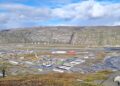
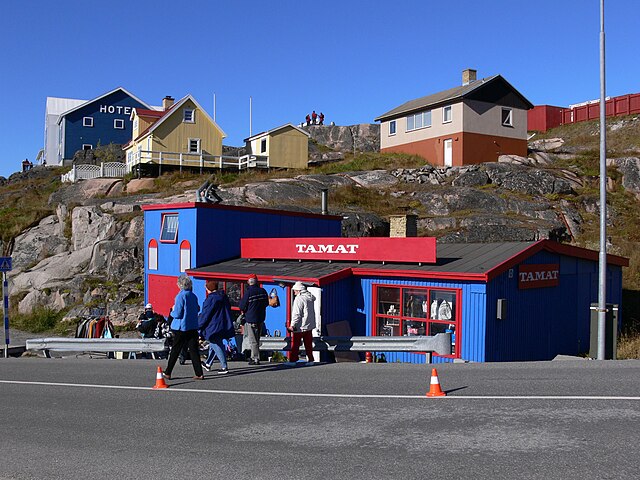
“We can’t even buy our own land ourselves, but Trump wants to buy it – that’s so strange to us,” said Kaaleeraq Ringsted, 74, in Kapisillit, a tiny settlement of wooden houses clinging to the shore of a fjord east of the capital, Nuuk.
“Since childhood, I have been used to the idea that you can only rent land. We have always been used to the idea that we collectively own our land.”
“A Free Life in Nature”: Daily Life in Kapisillit
Ringsted, a former fisherman and hunter, is now the village catechist at the small church that sits on a cliff above the village, reachable only via a steep wooden staircase. It is deep winter, and the sun rarely climbs above the surrounding mountains.
The settlement below includes a school, a grocery store, and a service house for showers and laundry. A small emergency room stocks basic medical supplies. A clinic job posting hangs on the door. It is a place of raw beauty and hard logistics.
“We’ve always had a free life here in nature,” said Heidi Lennert Nolso, the village leader.
“We can sail and go anywhere without restrictions.”
Guardians, Not Owners: The Legal Reality of Greenland
Greenland and its people were thrust into the global spotlight last year when Trump demanded that the U.S. take control—a move that captured international attention.
Locals in the village said they followed the headlines, but it wasn’t something they spoke about much.
“People here are interested in the day that is coming. Is there food in the fridge? Fine, then I can sleep a little longer. If there is no food, then I will go out and catch fish or go out and shoot a reindeer,” said Vanilla Mathiassen, a Danish teacher in Kapisillit who has worked in towns and villages across Greenland for 13 years.
Ulrik Blidorf, a lawyer in Nuuk and owner of the firm Inuit Law, explained that Greenland, an autonomous Danish territory, operates under a legal system in which private freehold land ownership does not exist.
“In Greenland, you can’t own the land,” Blidorf said. “It’s been like that ever since our ancestors came here. Today you get a right to use the area where you have your house.”
Responsibility Over Ownership
Nearly 90% of Greenland’s 57,000 population are indigenous Inuit, who have inhabited the island continuously for around 1,000 years.
Rakel Kristiansen, from a family of shamanic practitioners, said Inuit people saw themselves as temporary guardians of the land.
“In our understanding, owning land is the wrong question,” she said. “The question should be who is responsible for the land. The land existed before us, and it will exist after us.”